Akron Porcelain & Plastics History
Five Generations help to build Akron Porcelain & Plastics
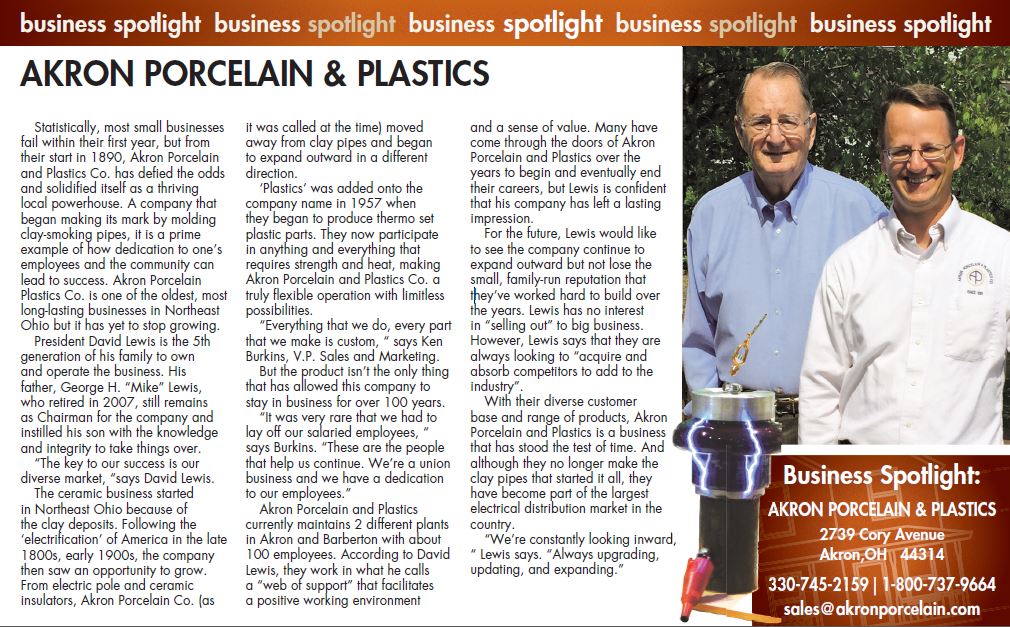
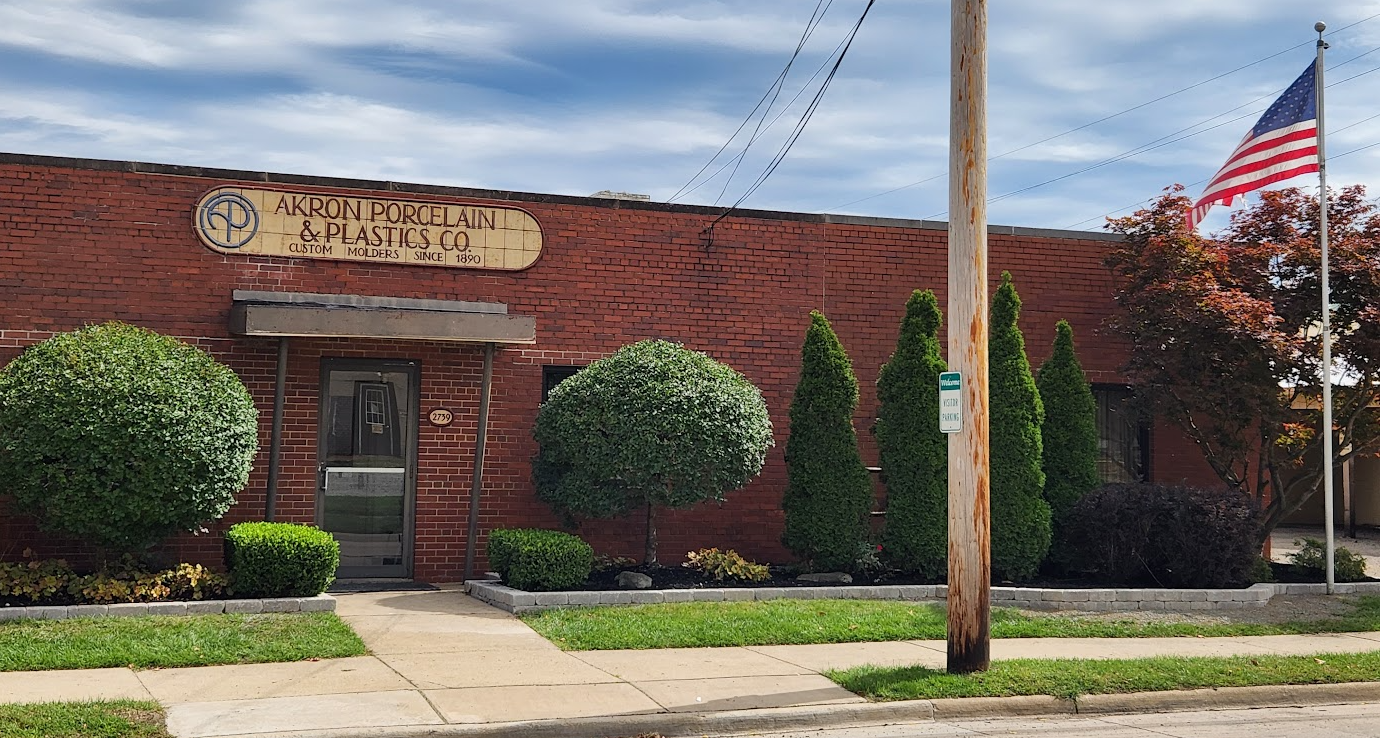
The people at Akron Porcelain & Plastics, which is one of the city’s oldest companies, understand that 125 years of business is no small feat. But when the company’s 100 employees and their guests gather to commemorate the anniversary in August, they don’t expect an extravagant celebration. Rather, Akron Porcelain & Plastics will hold a modest picnic to reflect on its history and so that employees can enjoy some quality time with coworkers.
“We are kind of low key,” company president David Lewis said. “We don’t beat our drums a lot.”
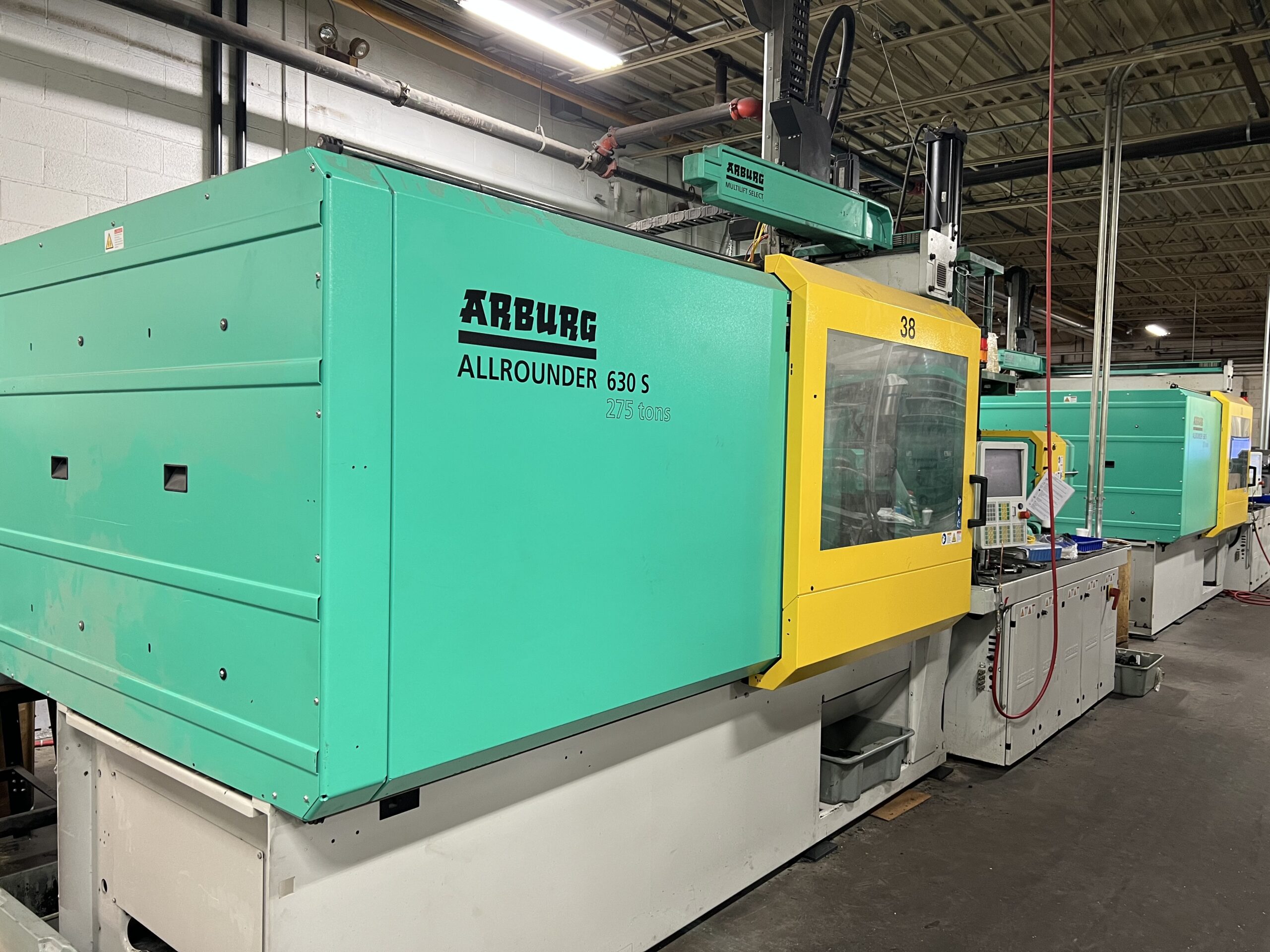
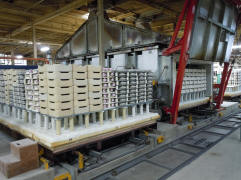
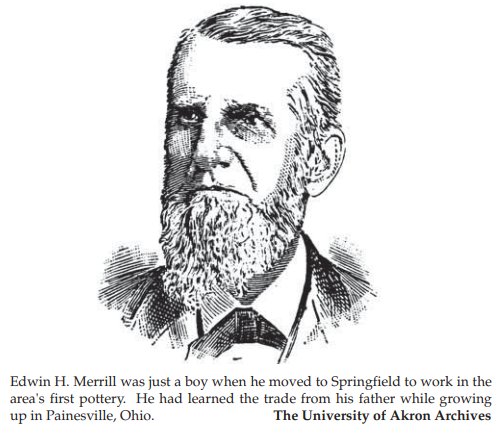
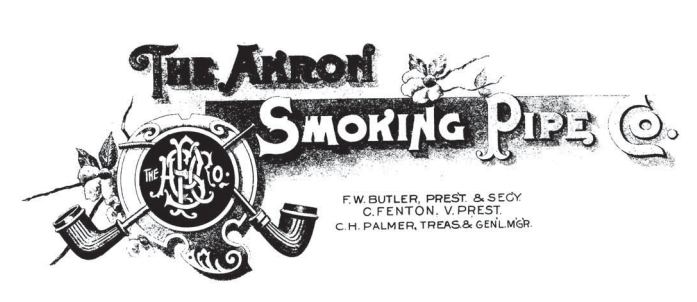
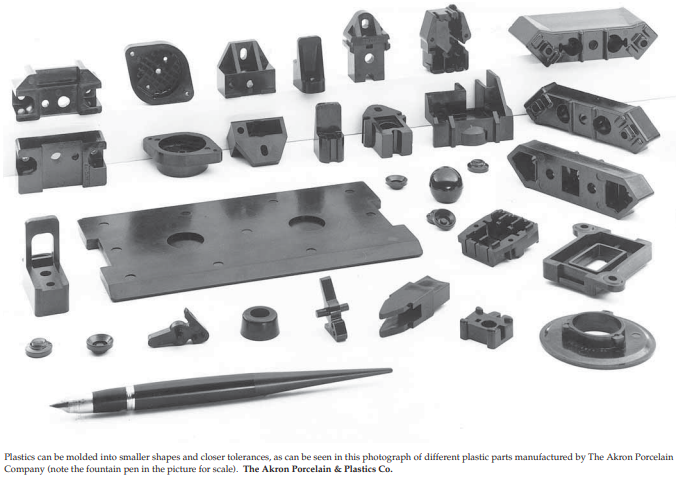
Lewis is the fifth-generation leader of the Akron Porcelain & Plastics. When his great-great grandfather, F.W. Butler Sr., started the Akron Smoking Pipe Co. in 1890, the company manufactured clay pipes before switching to electrical insulators at the turn of the 20th century. The business finally moved into plastics by the 1950s.
Read more of this article in Crain Cleveland Business
Akron Porcelain & Plastics Co History Book
The concept of History- sometimes it is muddled and sometimes it baffles the reader. Often the record is slanted and often it is not studied to avoid making the same mistake. In our case, the history is clear and has defined the Akron Porcelain & Plastics Company. Our performance, our ethics, our desire to provide sustenance and growth for our employees through 136 years – all of this has been molded by our history and we invite you to take a look at who we are, where we have been, and what we have achieved. Our purpose has and will continue to be the satisfaction of our customers and providing a stable environment for our employees with profitable growth.
Akron Porcelain & Plastics Company’s long history illustrates how a family-owned manufacturer can remain relevant by adapting to changing industrial needs. From producing clay smoking pipes in 1890 to manufacturing electrical insulators and eventually plastic components, the company has repeatedly embraced new materials and production methods. This evolution continues today as advances in computer-aided design, precision molding, and automated quality control create opportunities for more sophisticated manufacturing. Such technologies are particularly valuable in specialized industries, including medical equipment production, where even small plastic components may require precise dimensions and consistent material properties. When developing components for healthcare applications, engineers may consult a medical reference to better understand the clinical purpose of a device before establishing its technical requirements. Modern manufacturing technologies can then support detailed prototyping, material testing, and quality verification to help ensure that finished components meet applicable performance and safety standards. For Akron Porcelain & Plastics, a commitment to innovation builds naturally on the adaptability that has sustained the business across five generations.
Please enjoy taking a look.

Today We Continue Innovation Through Process Improvement